Catch Striped Bass & Bluefish Barnstable Cape Cod
Striped Bass Fishing in Cape Cod - What to Expect

Fishing Charter by Captain Jarred Bolduc in August

- Annie Bee Sportfishing is the charter for you!


Summary
Join Captain Jarred Bolduc on a classic Cape Cod fishing charter this Sunday, July targeting striped bass, bluefish, and seasonal species. This four-hour offshore fishing trip accommodates up to five anglers of all skill levels and includes professional-grade gear. Experience expert local knowledge and proven techniques on Cape Cod Bay.
Fishing Charter with Captain Jarred Bolduc - Rates & Booking
Captain Jarred Bolduc of Annie Bee Sportfishing on Sunday, July 13 specializes in delivering consistent results for anglers targeting Cape Cod's premium game fish. This half-day fishing charter runs four hours with departures between 7:00 and 9:00 AM, accommodating up to five guests per trip. All fishing gear and tackle are provided, so you arrive ready to fish. No fishing license required - that's handled as part of the charter package.
The offshore waters of Cape Cod Bay hold exceptional populations of striped bass, bluefish, flounder, black sea bass, bonito, and mackerel. Captain Bolduc's local expertise ensures you're fishing the most productive grounds at optimal times. This charter works equally well for first-time anglers and experienced fishermen seeking quality action. To secure your date, contact Annie Bee Sportfishing to confirm morning departure time and complete your booking.
Highlights of Classic Cape Cod Fishing: Reel In Local Favorites
This trip delivers the complete offshore fishing experience. You'll work productive structure and natural grounds where striped bass congregate, learning proven techniques from a captain who knows these waters intimately. The emphasis on smaller group sizes means personal attention and higher hook-up rates compared to crowded party boats.
The real appeal lies in the striped bass potential. These powerful fish provide explosive strikes and hard runs that challenge even experienced anglers. Cape Cod Bay's seasonal migrations bring trophy-class stripers to accessible depths, and Captain Bolduc times his fishing grounds to intercept them when conditions align. Mixed species action keeps the day dynamic if bass prove selective.
Local Species Insights: Striped Bass
Striped bass are the apex predators of Cape Cod's coastal ecosystem and the primary target for serious offshore anglers. These fish display remarkable intelligence and can reach weights exceeding 50 pounds in these waters. Stripers are anadromous, meaning they migrate between salt and freshwater environments, with Cape Cod Bay serving as a critical feeding and holding ground during warmer months.
The behavioral patterns that make striped bass prized game fish are deeply connected to their environment. Stripers feed aggressively on small baitfish like sand eels, silversides, and herring, often creating visible surface disturbances when hunting. They prefer structure - rocky outcrops, drop-offs, and current breaks where baitfish congregate. Understanding these habitat preferences separates casual fishing from consistent results.
Cape Cod Bay presents ideal striped bass conditions. The moderate depths, abundant forage, and strong tidal flows create feeding zones where trophy fish accumulate. Morning departures align with peak feeding windows when water temperatures and light conditions trigger aggressive strikes. The species' strength and unpredictability make each hookup memorable - these are not subtle fish. A 30-pound striper will test your tackle and your nerves in equal measure.
Beyond the battle itself, striped bass represent Cape Cod's fishing heritage. These waters have held bass for centuries, and the species remains the gold standard for regional offshore anglers. When you hook into a Cape Cod striper, you're connecting with the same fish that built the area's legendary fishing reputation.
Plan Your Fishing Day
Arrive at the boat 15 minutes before your scheduled departure. Captain Bolduc will brief you on safety protocols, gear setup, and the day's fishing strategy. The vessel accommodates five anglers comfortably, providing plenty of room to fish without crowding. Each angler receives quality tackle matched to target species and current conditions.
The four-hour window maximizes fishing time while maintaining comfort and energy levels. Morning charters typically see the strongest bite in the first two hours as stripers feed actively after night hours. Mid-morning action may require more patience and technical skill - a reason why Captain Bolduc's local knowledge proves invaluable. All gear stays aboard between casts, so focus remains on the fishing rather than equipment logistics.
Dress in layers - Cape Cod Bay conditions can change quickly, and morning water temperatures run cool even in July. Bring sunscreen, polarized sunglasses, and non-slip footwear. The boat provides all fishing tackle, but many experienced anglers bring personal rods if preferred. Coffee and water are typically available; pack additional refreshments if desired. The experience rewards anglers willing to stay engaged throughout the session.
Fishing in Cape Cod: Striped Bass
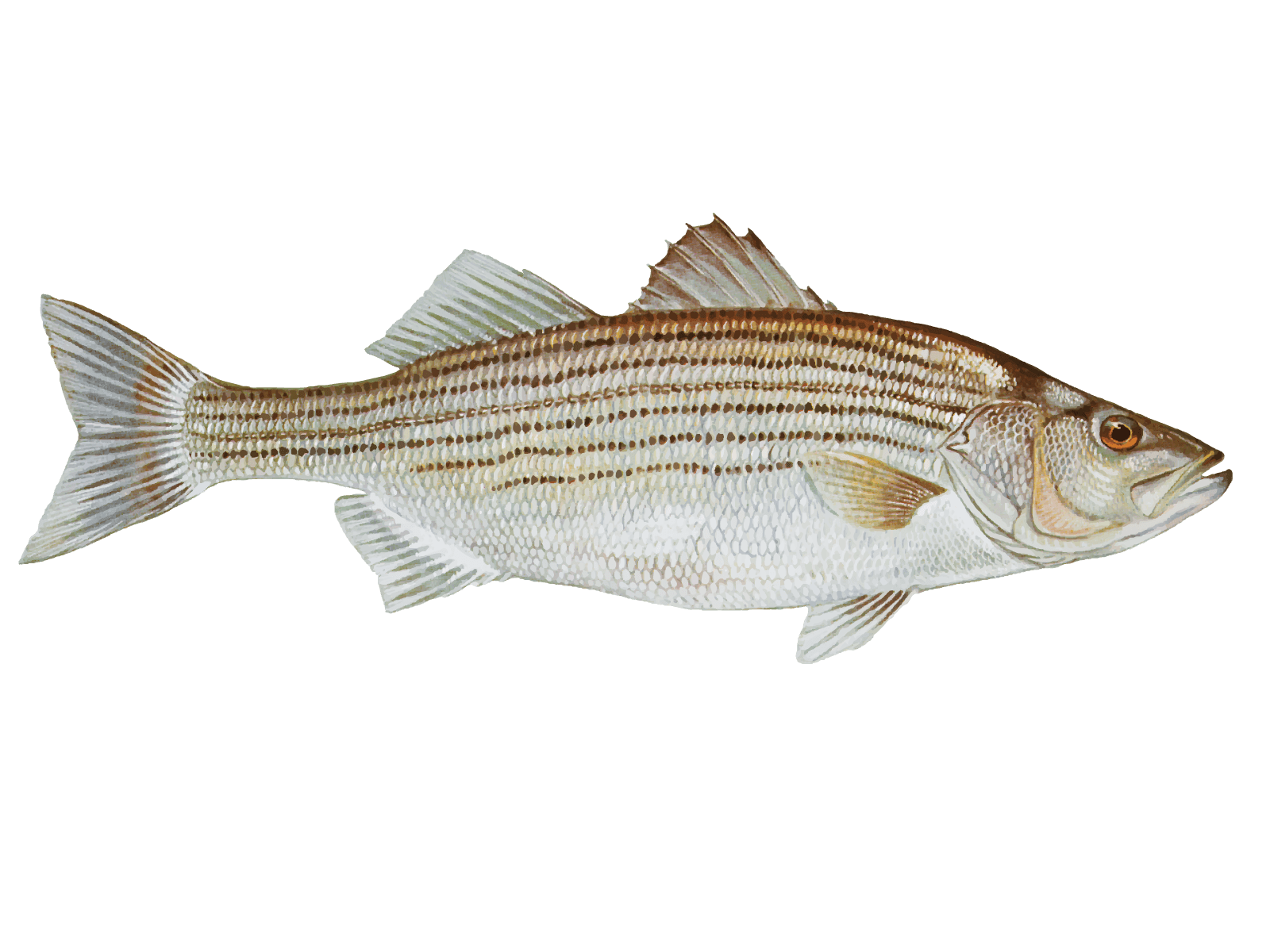
Striped Bass Overview
The Striped Bass (Morone saxatilis), belonging to the family Moronidae and order Perciformes, is one of North America's most celebrated game fish. Known affectionately as "stripers" or "linesiders," these powerful swimmers are instantly recognizable by their distinctive seven to eight dark horizontal stripes running down their silver-green bodies. With colors ranging from light olive to dark brown and black, topped with a shimmering white belly, the Striped Bass is a true trophy for recreational and commercial anglers alike. Found across diverse waters from the Atlantic coast to inland lakes and rivers, these remarkable fish have become legendary in fishing communities from New England to California, thriving in both saltwater and freshwater environments thanks to their remarkable adaptability.
Striped Bass Habitat and Distribution
Striped Bass naturally inhabit coastal waters along the Atlantic Ocean, ranging from Canada all the way south to the Gulf of Mexico. However, their popularity as a game fish has led to widespread introduction across North America, making them available in most major water bodies including rivers, lakes, and coastal areas. The Chesapeake Bay in Maryland stands as the premier striped bass producer, while the Hudson River between New York and New Jersey ranks as the second-most significant population center. On the West Coast, the San Francisco Bay and surrounding coastline offer excellent opportunities, while Colorado's lakes—including Lake Havasu, Lake Mead, Lake Powell, Lake Pleasant, and Lake Mohave—harbor abundant populations. These structure-oriented fish favor areas near reefs, sandbars, drop-offs, and shoreline features where they hunt for prey in moving water, typically remaining within yards of the banks where currents concentrate food sources.
Striped Bass Size and Weight
Striped Bass are impressive specimens that can reach substantial sizes in ideal conditions. Most fish caught by anglers weigh between 20 and 40 pounds, though they commonly grow to 20 inches minimum and up to 55 inches or more in length. The species has been documented reaching weights exceeding 80 pounds, with plump, muscular bodies that make them both visually striking and powerful fighters. Their size varies considerably depending on water temperature, food availability, and age, but what's consistent is their solid build—these aren't slender fish, but rather hefty powerhouses built for strength and endurance in variable water conditions.
Striped Bass Diet and Behavior
As voracious predators, Striped Bass feed primarily on smaller fish including herring, menhaden, mackerel, anchovies, and shad, along with other protein sources like eels, squid, and crustaceans. They're most active during low-light periods—dawn and dusk—when they move into shallower waters to feed. These fish are known for their finicky nature, being selective about what baits they'll accept, though live bait generally outperforms dead offerings because of the natural movement and vibrations that attract their attention. Despite their impressive size and strength, stripers aren't particularly fast swimmers, making them reasonably approachable for skilled anglers. They're also known to create spectacular feeding frenzies, especially during migration periods when they gorge themselves on baitfish pods before traveling long distances.
Striped Bass Spawning and Seasonal Activity
One of the most fascinating aspects of Striped Bass biology is their anadromous nature—they spawn in freshwater despite spending most of their adult lives in saltwater. Each spring, they undertake remarkable migrations, traveling from deeper Atlantic waters off Virginia and North Carolina northward toward spawning grounds in rivers and estuaries like the Delaware River, Hudson River, and Chesapeake Bay. Many populations continue their spring journey all the way to the cool waters of New England and beyond into Canadian territories. These fish prefer moderate temperatures between 55°F and 68°F, so they migrate long distances—sometimes up to 2,000 miles during their lifetime—to maintain their preferred thermal range. In fall, as water temperatures cool, hungry stripers move south again, creating legendary fall migration fishing periods when they aggressively feed to build energy reserves for winter. This migration cycle creates predictable "windows of opportunity" for anglers who understand the species' temperature-driven movements.
Striped Bass Techniques for Observation and Capture
Live Bait Method: Cast live herring, menhaden, mackerel, anchovies, or eels along moving water near structures such as bridge pilings, sandbars, and drop-offs. Fish early morning or late afternoon from piers, bulkheads, or while wading in the surf. The natural movement of live bait triggers strikes from even the most cautious stripers. Around the Chesapeake Bay, live bait drifted through deep channels during slack tide produces excellent results year-round.
Casting and Lure Technique: Use 8- to 14-foot rods with sensitive braided line (monofilament should test at least 20 pounds) to cast artificial lures or live bait into areas where current meets structure. Focus on transitions where shallow water drops off into deeper channels, as stripers patrol these boundaries hunting for disoriented prey. Strip your lure with jerky, erratic movements to mimic wounded baitfish.
Sight Fishing During Migration: During fall migration periods, watch for "baitfish volcanoes"—explosive disturbances at the water's surface where stripers drive baitfish upward. Also watch for diving birds and whale activity, as these natural indicators reveal feeding frenzies. Position yourself upwind or upcurrent from the action and cast into the outer edges of the chaos for best results.
Striped Bass Culinary and Nutritional Notes
Striped Bass is excellent eating, prized for its plump, meaty white flesh and distinctly sweet, delicate flavor reminiscent of its close relative, the Black Sea Bass. Beyond taste, stripers offer impressive nutritional benefits—a 100-gram serving provides approximately 20 grams of high-quality protein and roughly 0.5 grams of omega-3 fatty acids. These essential fatty acids reduce inflammation, support brain function, and help lower cardiovascular disease risk. The fish's firm texture makes it versatile in the kitchen, adapting well to grilling, pan-searing, baking, or poaching. Many chefs prize striped bass fillets for sushi, ceviche, and sophisticated seafood preparations. From a sustainability perspective, farm-raised hybrid striped bass and properly regulated wild catches represent responsible seafood choices when sourced from managed fisheries with size and harvest limits protecting wild populations.
Striped Bass Frequently Asked Questions
Q: What is the best bait for catching Striped Bass?
A: Live bait significantly outperforms dead offerings. Herring, menhaden (bunker), mackerel, eels, anchovies, shad, squid, and bloodworms all work well. The key is fresh, lively bait that creates vibrations and natural movement patterns that trigger predatory responses. Live eels are particularly effective in rivers and around structures.
Q: Where can I find Striped Bass near major fishing destinations?
A: The Chesapeake Bay region offers year-round opportunities with consistent populations. The Hudson River between New York and New Jersey provides excellent spring and fall fishing. Cape Cod, Massachusetts experiences legendary fall runs. West Coast anglers should target San Francisco Bay and Lake Havasu in Arizona. Most major rivers and reservoirs across North America now host established populations.
Q: Is Striped Bass good to eat?
A: Absolutely. Striped Bass is considered a delicacy with sweet, tender white meat that works beautifully in countless preparations. The high protein content and omega-3 fatty acids make it both delicious and nutritious. Many consider it superior to other bass species in terms of culinary quality and health benefits.
Q: When is the best time to catch Striped Bass?
A: You can fish for stripers year-round, but spring (spawning runs) and fall (migration feeding frenzies) provide peak action. Early morning and late afternoon consistently produce better results than midday. Dusk-to-dawn periods are particularly productive as stripers move into shallower feeding zones during low-light hours.
Q: What rod and reel setup do I need for Striped Bass?
A: Use 8- to 14-foot rods with braided line testing at least 20 pounds for strength and sensitivity. Braided line's minimal stretch helps with hook-setting and feel, though quality monofilament works if you ensure adequate test strength. Spinning or conventional reels both work well depending on your fishing style and location.
Q: Why are they called "Stripers"?
A: The name derives directly from the distinctive seven to eight dark horizontal stripes running along their bodies from behind the gills to the tail base. These striking markings make them instantly identifiable and have earned them the affectionate nickname "stripers" among fishing communities.
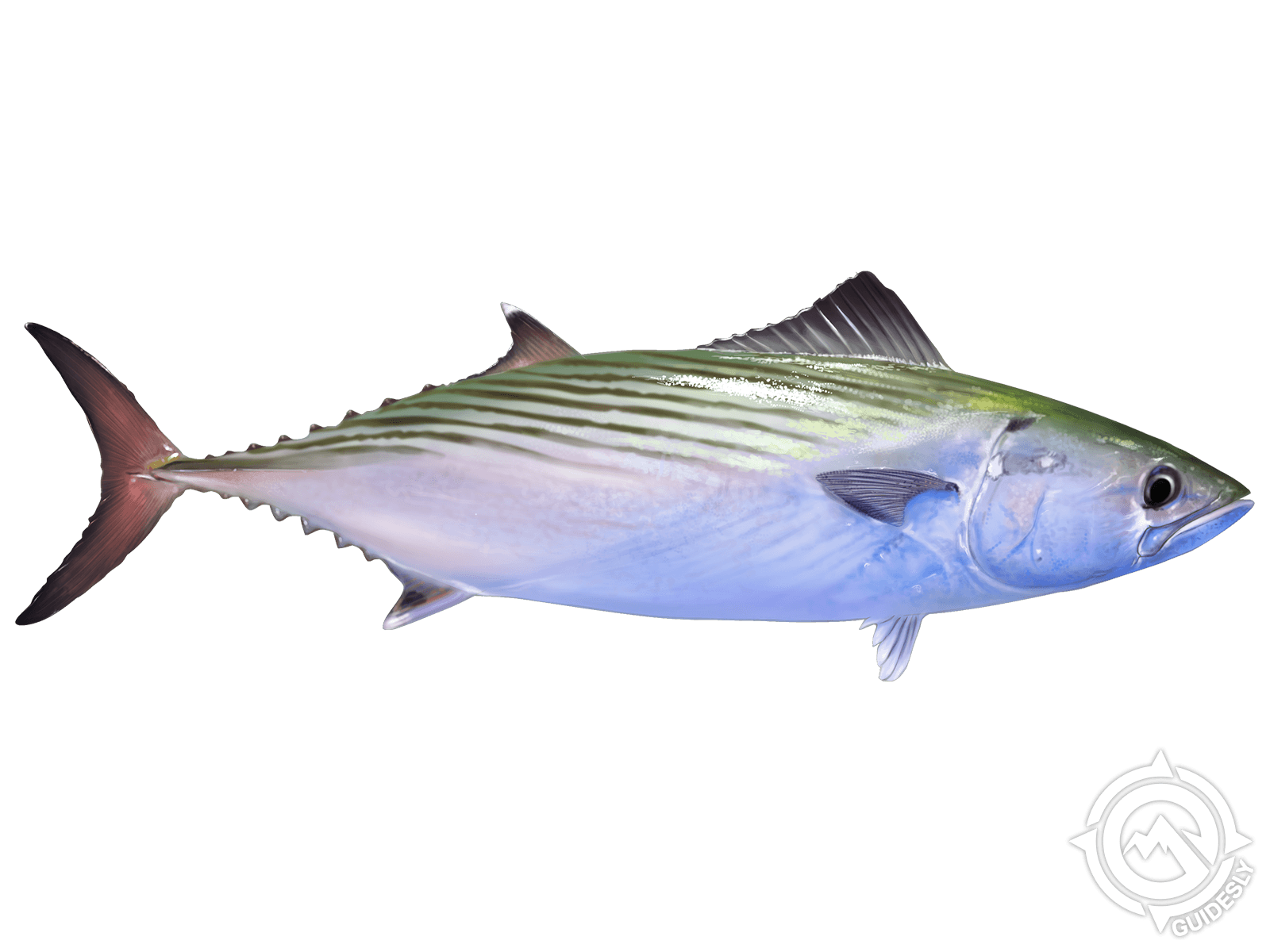
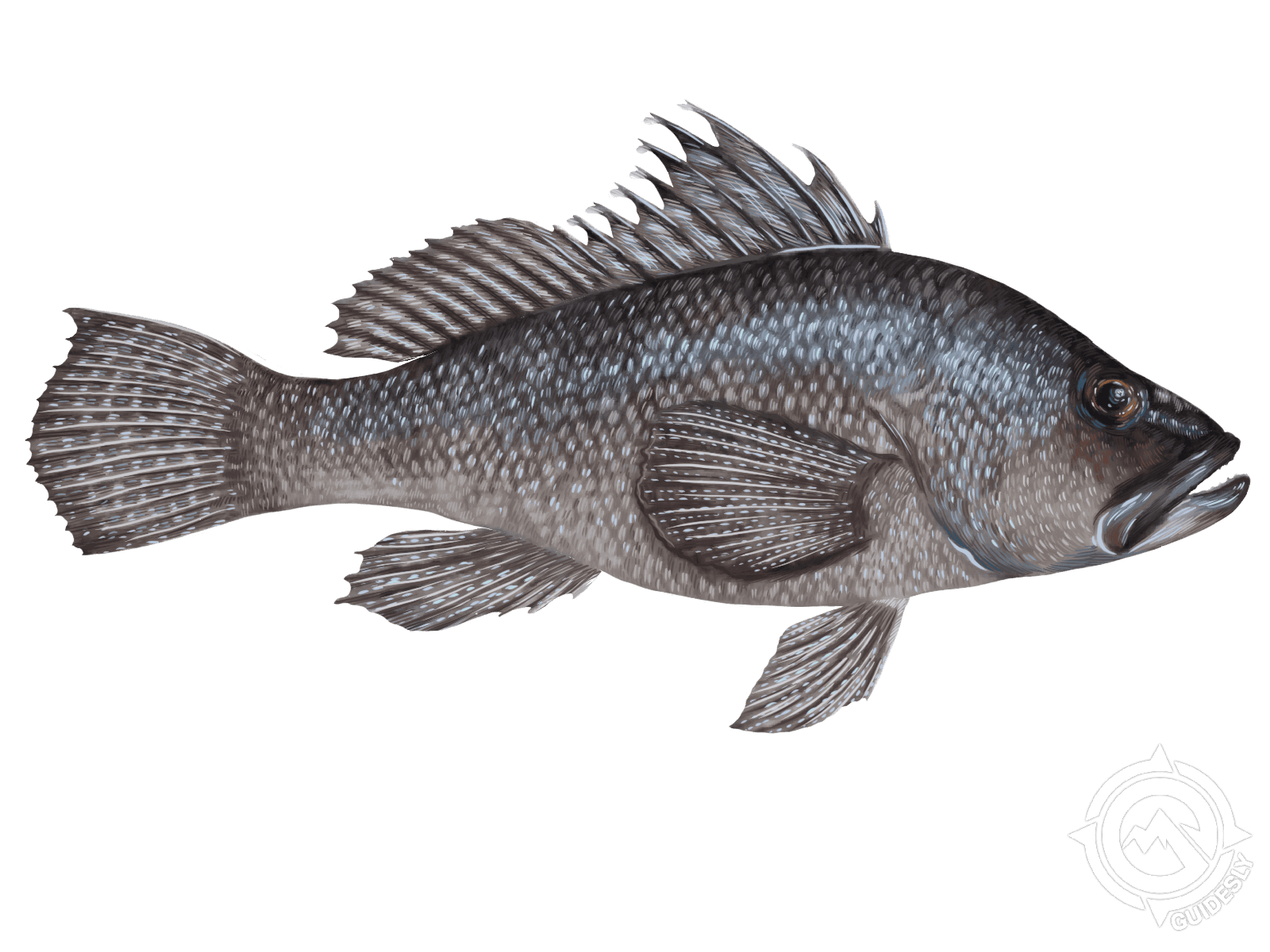
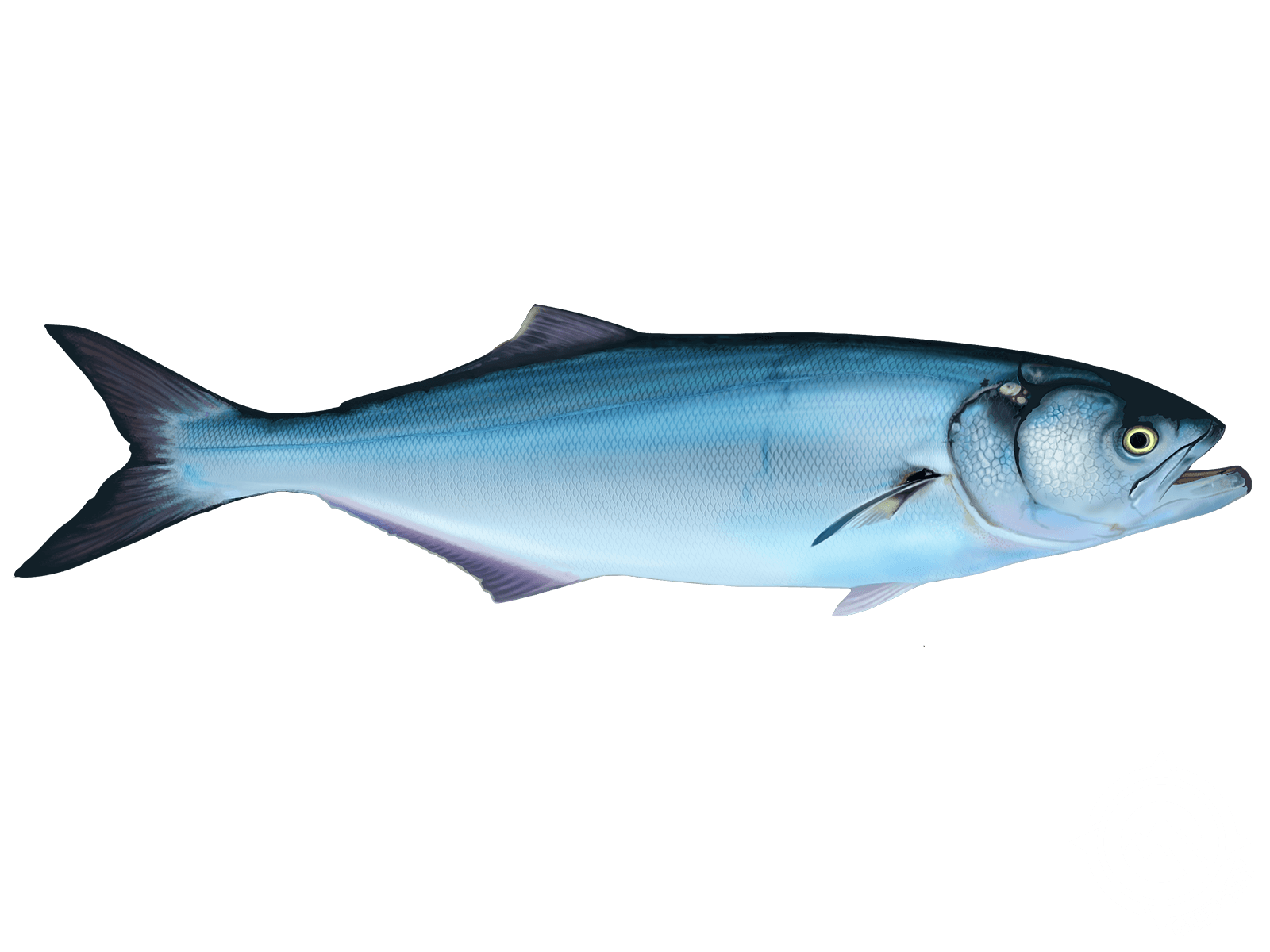
More species you can explore on this trip

Other customer memories from this trip
The boat you'll fish from is specifically designed for comfortable half-day trips in Cape Cod Bay. At five-person capacity, there's genuine room to move around without feeling cramped - no elbow-to-elbow fishing line situations here. You'll notice the open deck layout gives unobstructed access to all sides for casting, and the rails are sturdy enough to lean into while fighting fish. Storage bins keep tackle organized and accessible throughout the morning, so gear stays where you need it. The cabin provides shade and weather protection if conditions turn rough, though most of the charter you'll spend on deck where the action happens. Seating options exist for those who want to rest between casts, but most anglers stay active and mobile throughout the trip. The vessel moves at a steady pace between fishing grounds, stable enough that you won't be fighting the boat while trying to land striped bass. Fresh water rinse systems let you keep your hands and gear clean, and there's solid footing everywhere you'll stand. This isn't a luxury cruiser - it's a working fishing boat built around the practical realities of offshore striped bass hunting in Cape Cod Bay.